|
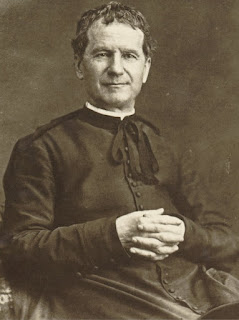
| Cardinal Eugenio Pacelli, the future Pope Pius XII. |
Before becoming Pope Pius XII in 1939, Eugenio Pacelli had already built a long and distinguished career in diplomacy within the Roman Catholic Church. His service in the Vatican’s diplomatic corps, his key role as Apostolic Nuncio to Germany, and his tenure as Vatican Secretary of State shaped him into a seasoned diplomat at a time when Europe stood on the brink of total war. Throughout the tumultuous years of the 1920s and 1930s, particularly under the pontificate of Pope Pius XI, Pacelli worked tirelessly to stave off the forces of violence and totalitarianism that would eventually explode into World War II.
Early life and entry into Vatican diplomacy
Eugenio Pacelli was born on March 2, 1876, in Rome into a family with a long tradition of service to the Holy See. After his ordination as a priest in 1899, he quickly entered the service of the Vatican Secretariat of State. His intellect, work ethic, and tact made him an ideal candidate for diplomatic service. In 1917, during the First World War, he was appointed Apostolic Nuncio to Bavaria, and later to all of Germany.
Pacelli’s experiences during the final years of World War I and the chaotic aftermath of the German defeat left a deep impression on him. He witnessed firsthand the collapse of monarchy, the rise of revolutionary movements, and the struggle of the Church to maintain its position in a rapidly secularizing and unstable society. His ability to navigate these crises with measured caution and a strong sense of Church interests earned him great respect within Vatican circles.
Pacelli as nuncio to Germany: A formative experience
Serving as the Vatican’s top representative to Germany throughout the 1920s, Pacelli negotiated numerous concordats - agreements between the Vatican and individual German states—that secured the rights of the Church in the new Weimar Republic. He sought to protect Catholic institutions, schools, and associations at a time when political forces of both the left and the right were often hostile to religion.
 |
| Cardinal Eugenio Pacelli in this colorized photo, likely presiding at a Eucharistic Congress in France, circa 1933. Pacelli would later go on to serve as Pope Pius XII from 1939-1958. Original source of photo: https://www.ccwatershed.org/2016/08/02/eugenio-cardinal-pacelli-cappa-magna. |
Pacelli became intimately familiar with German culture, politics, and society, and he came to recognize the growing threats posed by radical ideologies, particularly communism and emerging forms of aggressive nationalism. While he was initially optimistic about the Weimar Republic’s democratic potential, he grew increasingly concerned about the instability of Germany and the possibility that extremist movements could seize power.
Secretary of State under Pius XI: The weight of the world
In 1930, Pacelli was recalled to Rome and elevated to the position of Cardinal Secretary of State under Pope Pius XI. As Secretary of State - the pope’s chief diplomat - Pacelli became the principal architect of Vatican foreign policy during one of the most dangerous decades in modern history.
Throughout the 1930s, Pacelli helped shape and implement a strategy aimed at defending the Church’s freedom in the face of rising totalitarian regimes. He was heavily involved in negotiating the Lateran Treaty of 1929, which resolved the longstanding "Roman Question" between the Holy See and the Kingdom of Italy, securing the Vatican's independence and ensuring the Church's freedom within Italy.
More pressing, however, was the situation in Germany. In 1933, under Pacelli’s leadership, the Vatican signed the Reichskonkordat with Adolf Hitler’s new Nazi regime. This concordat aimed to protect the rights of the Catholic Church in Germany, particularly its schools, clergy, and lay organizations. Although controversial - some critics saw it as lending legitimacy to Hitler - Pacelli saw it as a necessary measure to provide some legal protection to Catholics under an increasingly hostile government. Throughout the years that followed, Pacelli repeatedly protested Nazi violations of the Concordat, especially regarding persecution of Catholics and Jews.
Diplomatic efforts to stave off war
As Europe edged closer to war in the later 1930s, Pacelli’s diplomatic work intensified. He had a clear-eyed view of the dangers posed by Nazi Germany and Fascist Italy. He firmly opposed the ideologies of racial hatred, totalitarianism, and militant nationalism that were sweeping the continent.
During the critical years between 1935 and 1939, Pacelli carried out an intensive campaign to preserve peace. He conducted numerous meetings with diplomats and heads of state, urging moderation, negotiation, and respect for international law. In private and public, Pacelli and Pope Pius XI issued strong condemnations of both communism and fascism.
In 1937, Pius XI issued the encyclical Mit Brennender Sorge (“With Burning Concern”), which was secretly smuggled into Germany and read from Catholic pulpits. Drafted largely under Pacelli’s direction, this bold encyclical denounced Nazi racism and the regime’s violations of human dignity and Church rights. Written in German rather than Latin - a highly unusual move - it directly addressed the German people and clearly exposed the moral dangers of Nazism.
Similarly, Pacelli had a strong hand in crafting Divini Redemptoris, an encyclical condemning atheistic communism, issued the same year. These documents reflected the Vatican’s broad diplomatic and moral strategy: to defend human rights, religious freedom, and peace against the twin threats of right-wing fascism and left-wing communism.
In early 1939, as Europe teetered on the edge of war, Pacelli made a final series of diplomatic appeals. He reached out to Britain, France, Germany, and Italy, encouraging leaders to seek peaceful solutions. Unfortunately, the momentum toward war proved unstoppable. Hitler’s ambitions, fueled by appeasement and by his own ideological fervor, could not be contained by diplomatic efforts alone.
Conclusion: A legacy of tireless effort
When Pope Pius XI died in February 1939, Eugenio Pacelli was elected his successor, taking the name Pius XII. Just six months later, World War II would begin with the German invasion of Poland.
Pacelli’s diplomatic career before his papacy revealed a man deeply committed to peace, religious freedom, and the dignity of the human person. Although he could not prevent the catastrophe that was to come, his efforts to stave off World War II were earnest, creative, and courageous. His intimate knowledge of German society, his experience in dealing with totalitarian regimes, and his devotion to the cause of peace would all profoundly shape his actions during his later years as Pope Pius XII, during one of the darkest chapters in human history.
Secretary of State under Pius XI: The weight of the world
In 1930, Pacelli was recalled to Rome and elevated to the position of Cardinal Secretary of State under Pope Pius XI. As Secretary of State - the pope’s chief diplomat - Pacelli became the principal architect of Vatican foreign policy during one of the most dangerous decades in modern history.
Throughout the 1930s, Pacelli helped shape and implement a strategy aimed at defending the Church’s freedom in the face of rising totalitarian regimes. He was heavily involved in negotiating the Lateran Treaty of 1929, which resolved the longstanding "Roman Question" between the Holy See and the Kingdom of Italy, securing the Vatican's independence and ensuring the Church's freedom within Italy.
More pressing, however, was the situation in Germany. In 1933, under Pacelli’s leadership, the Vatican signed the Reichskonkordat with Adolf Hitler’s new Nazi regime. This concordat aimed to protect the rights of the Catholic Church in Germany, particularly its schools, clergy, and lay organizations. Although controversial - some critics saw it as lending legitimacy to Hitler - Pacelli saw it as a necessary measure to provide some legal protection to Catholics under an increasingly hostile government. Throughout the years that followed, Pacelli repeatedly protested Nazi violations of the Concordat, especially regarding persecution of Catholics and Jews.
Diplomatic efforts to stave off war
As Europe edged closer to war in the later 1930s, Pacelli’s diplomatic work intensified. He had a clear-eyed view of the dangers posed by Nazi Germany and Fascist Italy. He firmly opposed the ideologies of racial hatred, totalitarianism, and militant nationalism that were sweeping the continent.
During the critical years between 1935 and 1939, Pacelli carried out an intensive campaign to preserve peace. He conducted numerous meetings with diplomats and heads of state, urging moderation, negotiation, and respect for international law. In private and public, Pacelli and Pope Pius XI issued strong condemnations of both communism and fascism.
In 1937, Pius XI issued the encyclical Mit Brennender Sorge (“With Burning Concern”), which was secretly smuggled into Germany and read from Catholic pulpits. Drafted largely under Pacelli’s direction, this bold encyclical denounced Nazi racism and the regime’s violations of human dignity and Church rights. Written in German rather than Latin - a highly unusual move - it directly addressed the German people and clearly exposed the moral dangers of Nazism.
Similarly, Pacelli had a strong hand in crafting Divini Redemptoris, an encyclical condemning atheistic communism, issued the same year. These documents reflected the Vatican’s broad diplomatic and moral strategy: to defend human rights, religious freedom, and peace against the twin threats of right-wing fascism and left-wing communism.
In early 1939, as Europe teetered on the edge of war, Pacelli made a final series of diplomatic appeals. He reached out to Britain, France, Germany, and Italy, encouraging leaders to seek peaceful solutions. Unfortunately, the momentum toward war proved unstoppable. Hitler’s ambitions, fueled by appeasement and by his own ideological fervor, could not be contained by diplomatic efforts alone.
Conclusion: A legacy of tireless effort
When Pope Pius XI died in February 1939, Eugenio Pacelli was elected his successor, taking the name Pius XII. Just six months later, World War II would begin with the German invasion of Poland.
Pacelli’s diplomatic career before his papacy revealed a man deeply committed to peace, religious freedom, and the dignity of the human person. Although he could not prevent the catastrophe that was to come, his efforts to stave off World War II were earnest, creative, and courageous. His intimate knowledge of German society, his experience in dealing with totalitarian regimes, and his devotion to the cause of peace would all profoundly shape his actions during his later years as Pope Pius XII, during one of the darkest chapters in human history.